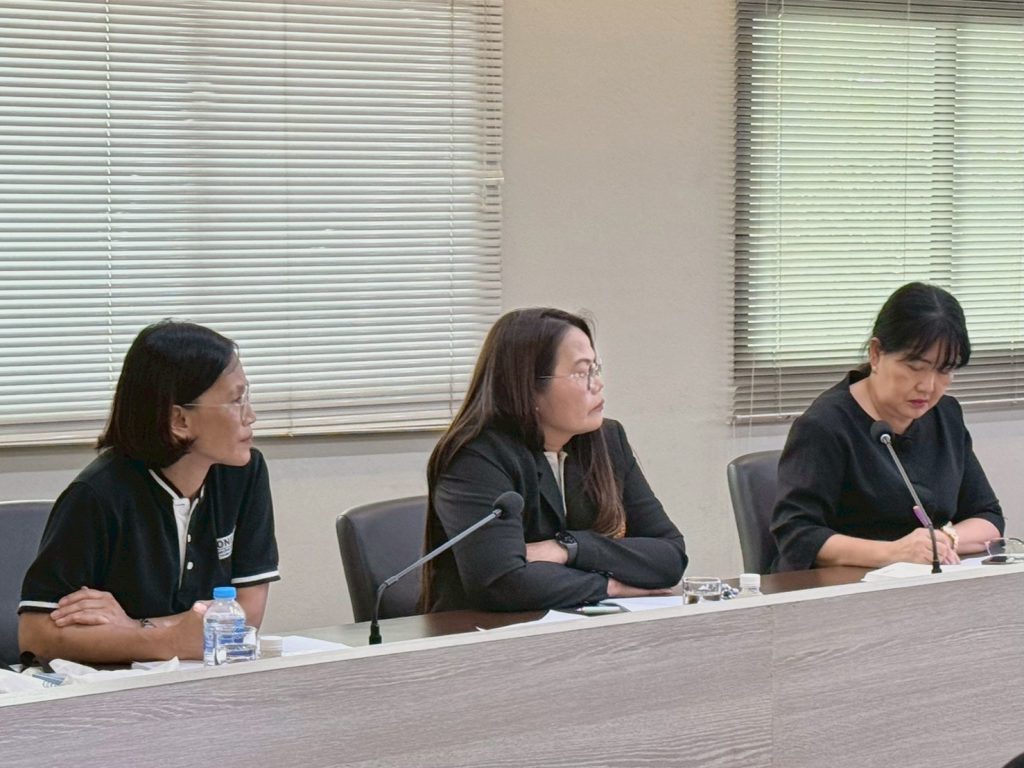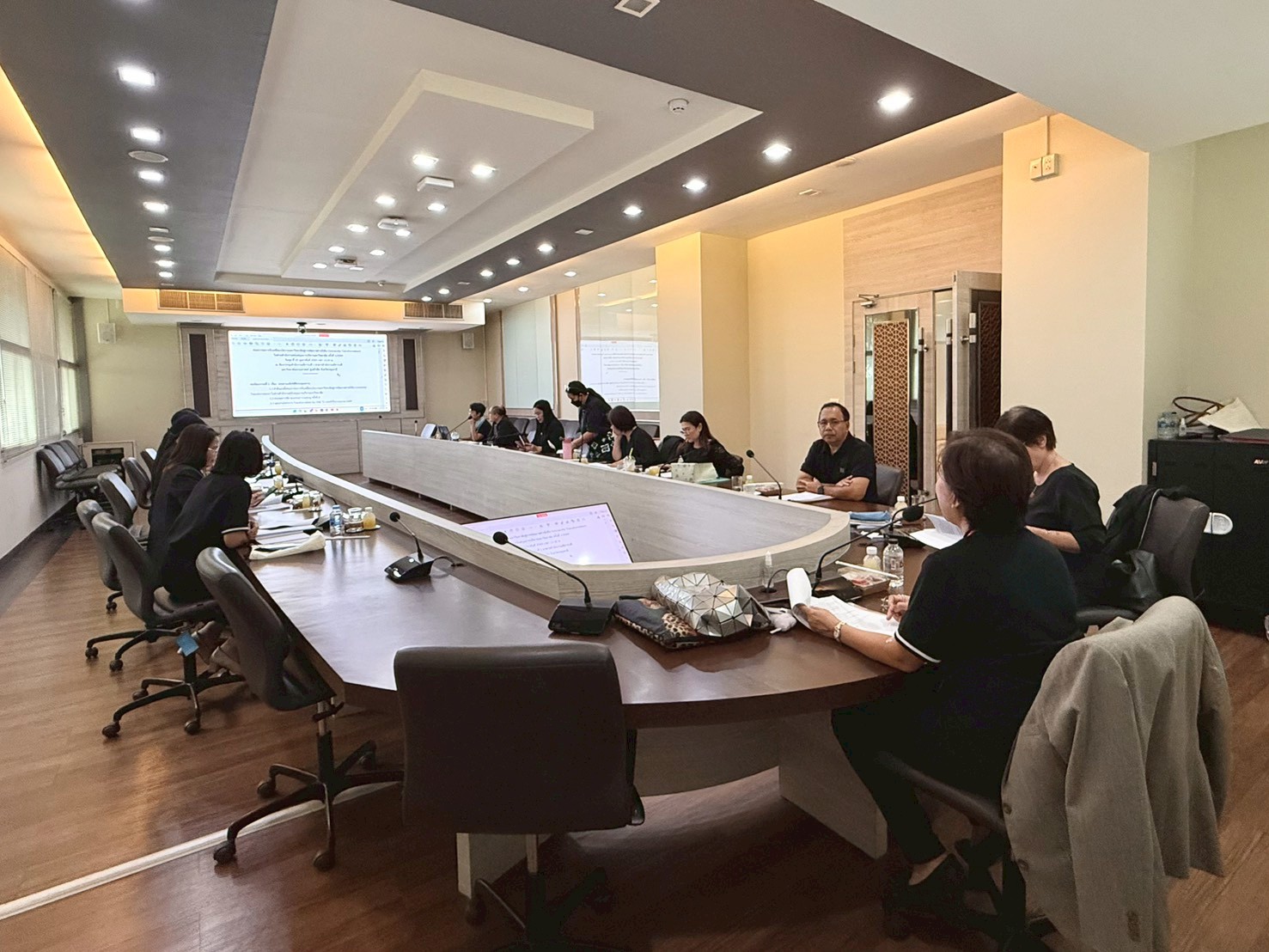
ฝ่ายพัฒนาคุณภาพและบริหารการเปลี่ยนแปลง ระดมความคิดเห็นผู้อำนวยการกอง/สำนักงานขับเคลื่อนนโยบายมหาวิทยาลัยสู่การพัฒนาอย่างยั่งยืน (University Transformation)
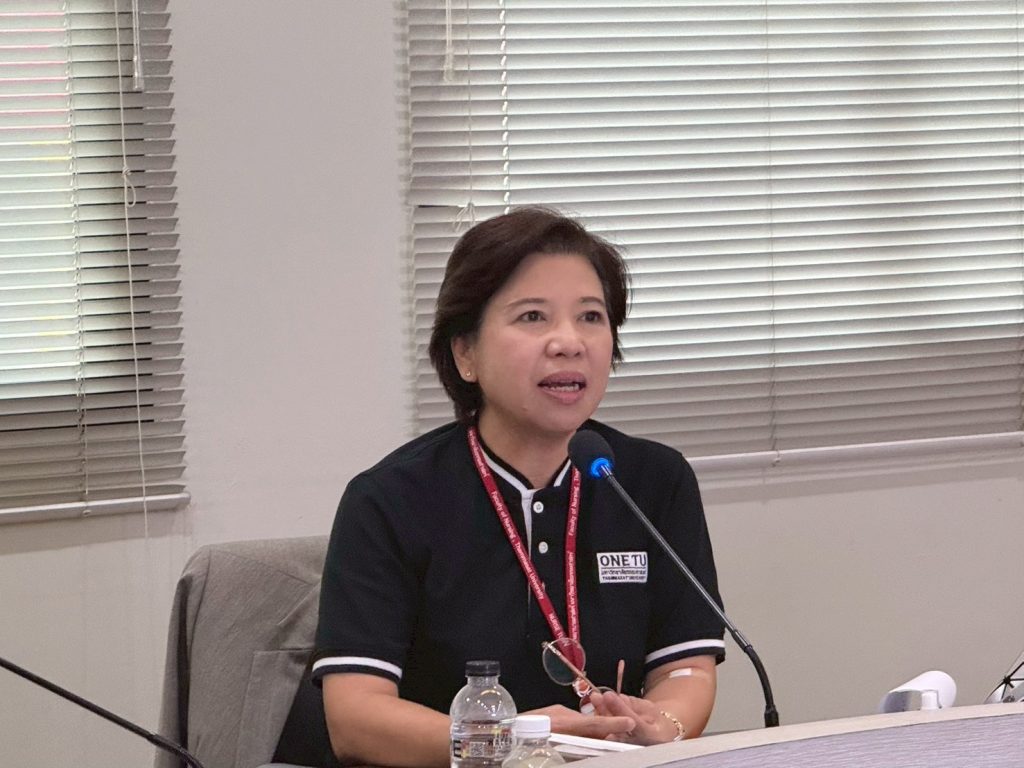
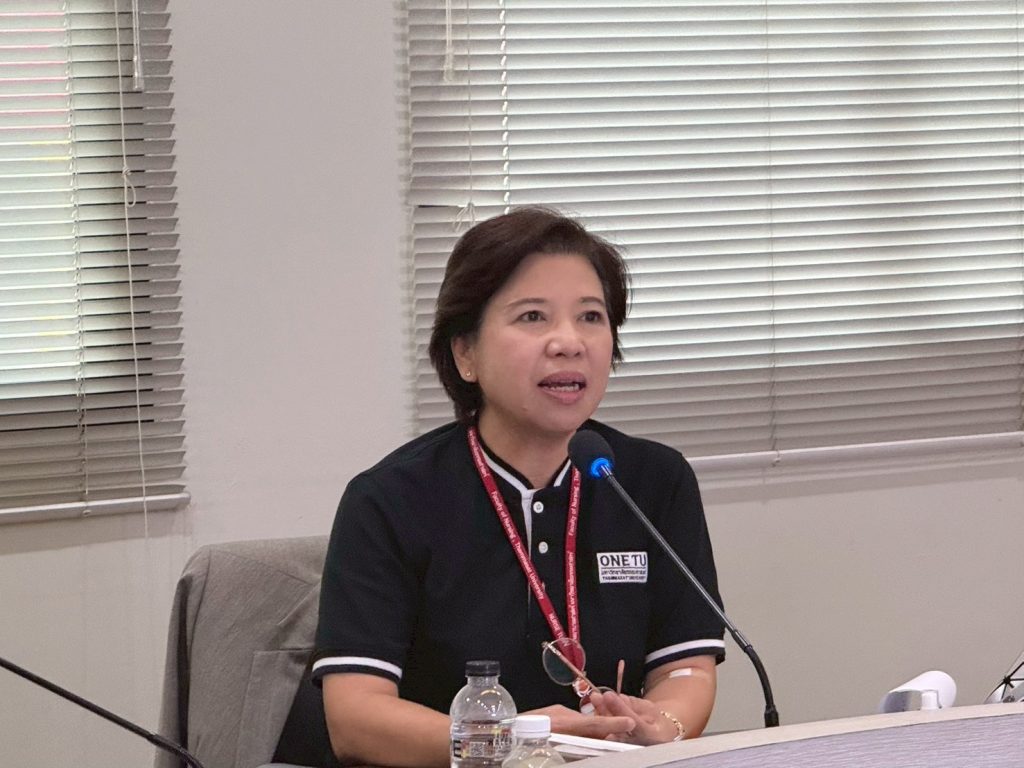
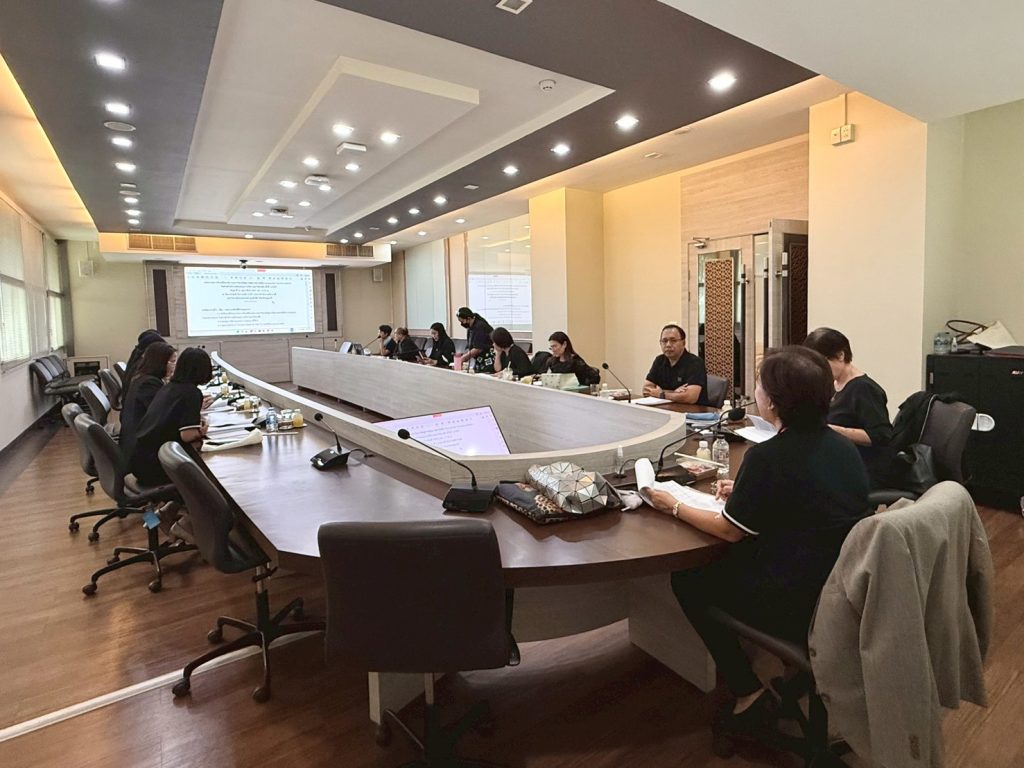
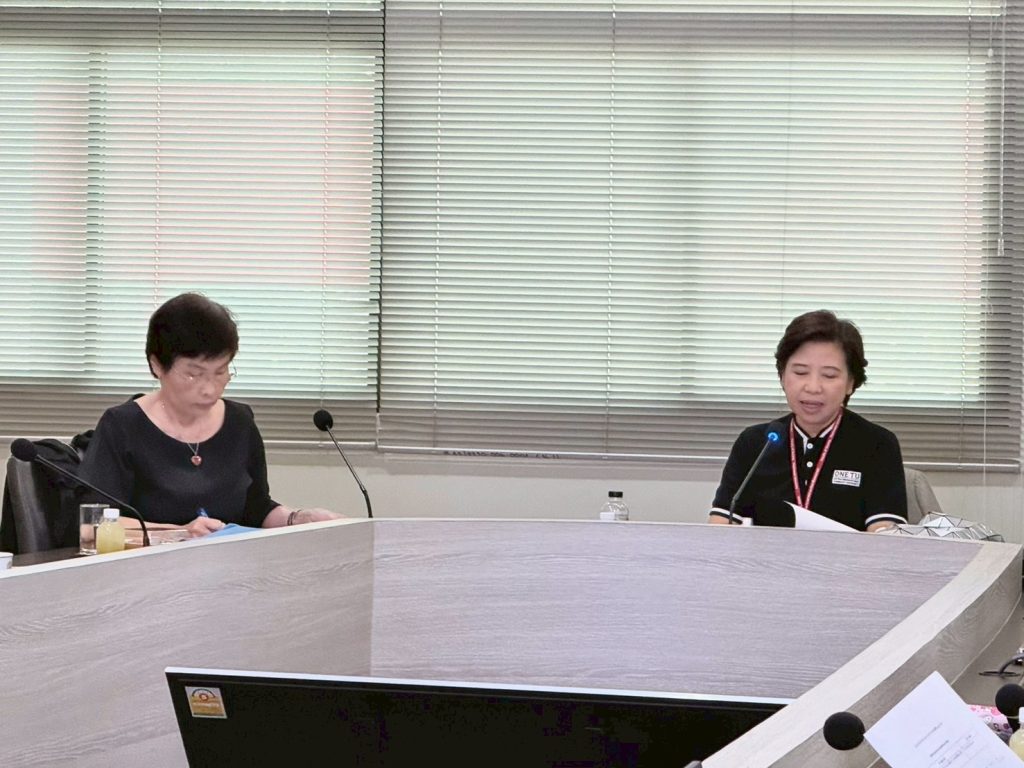
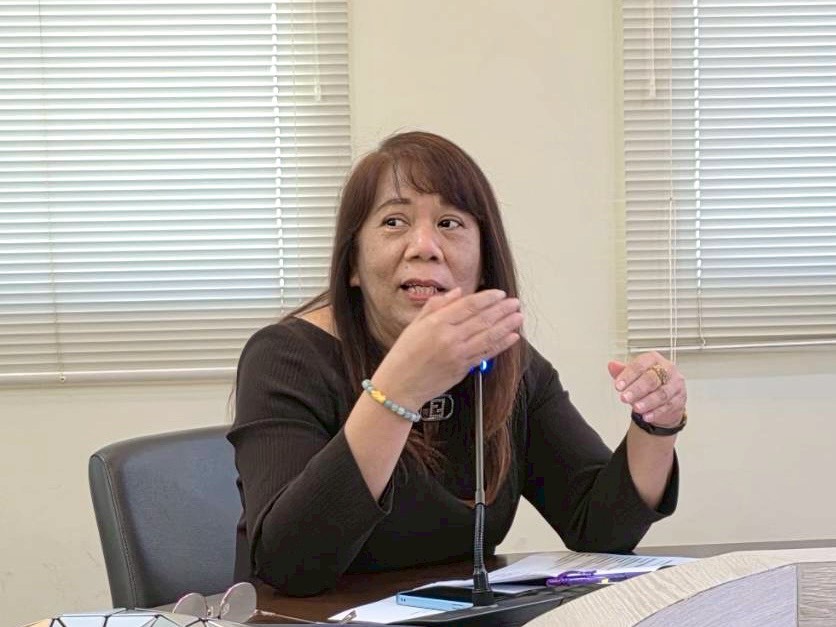
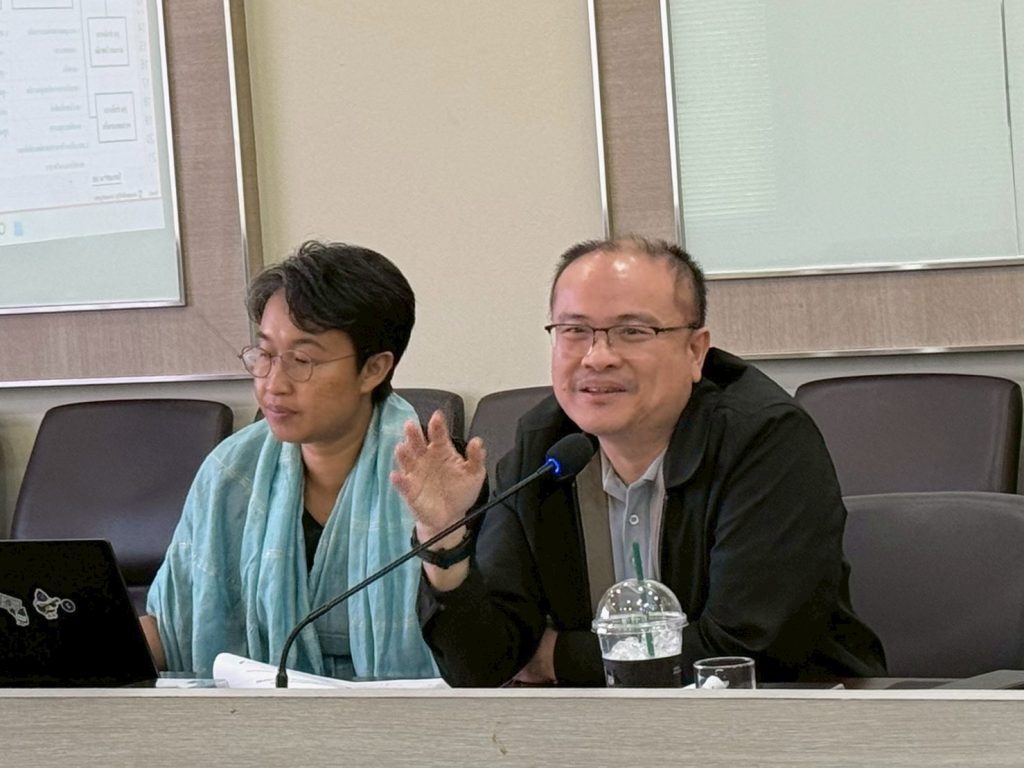
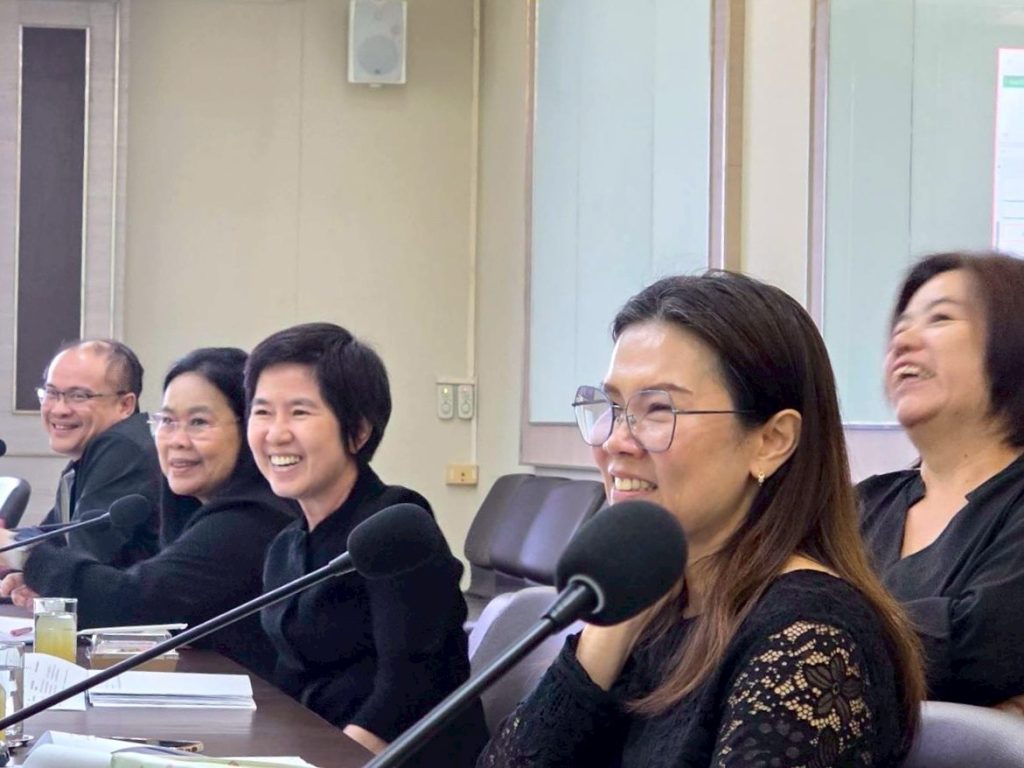
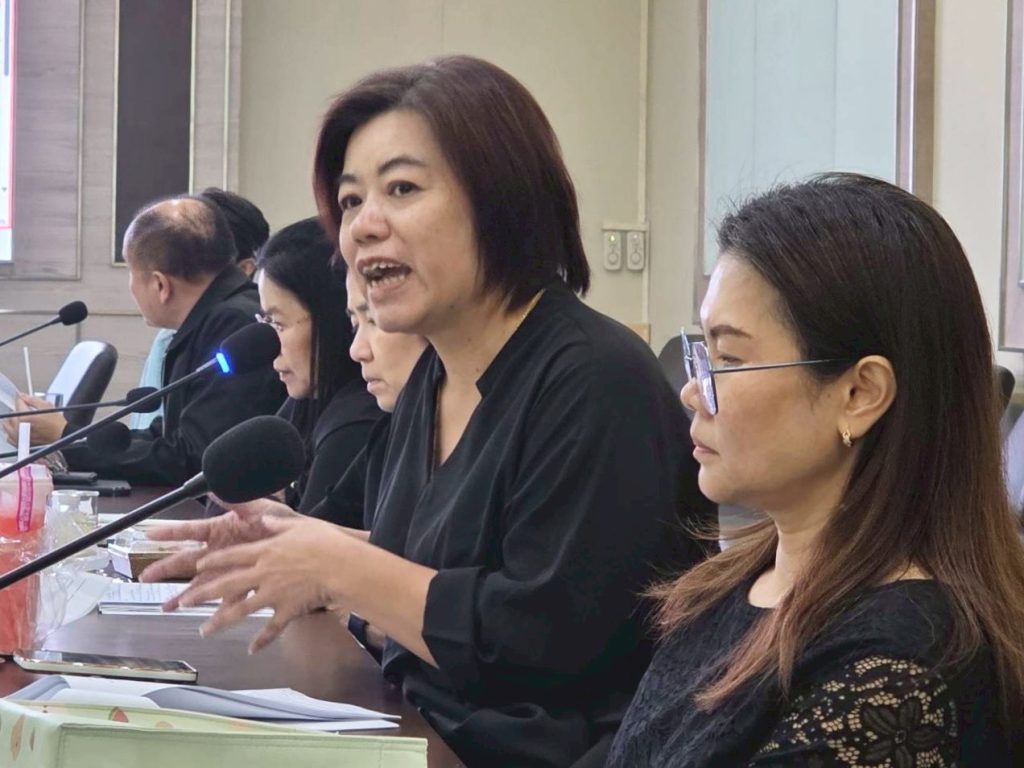
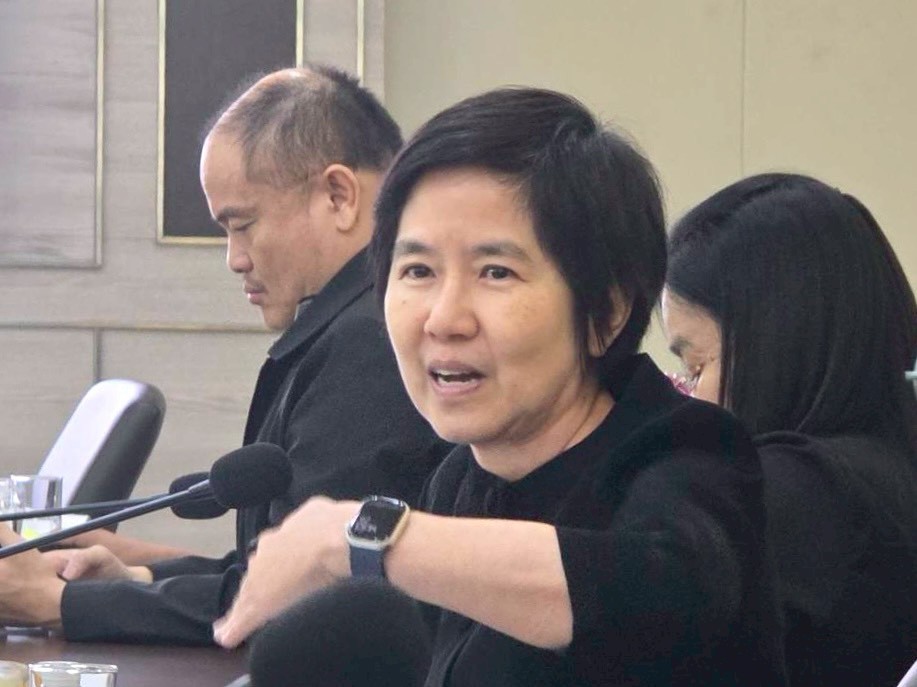
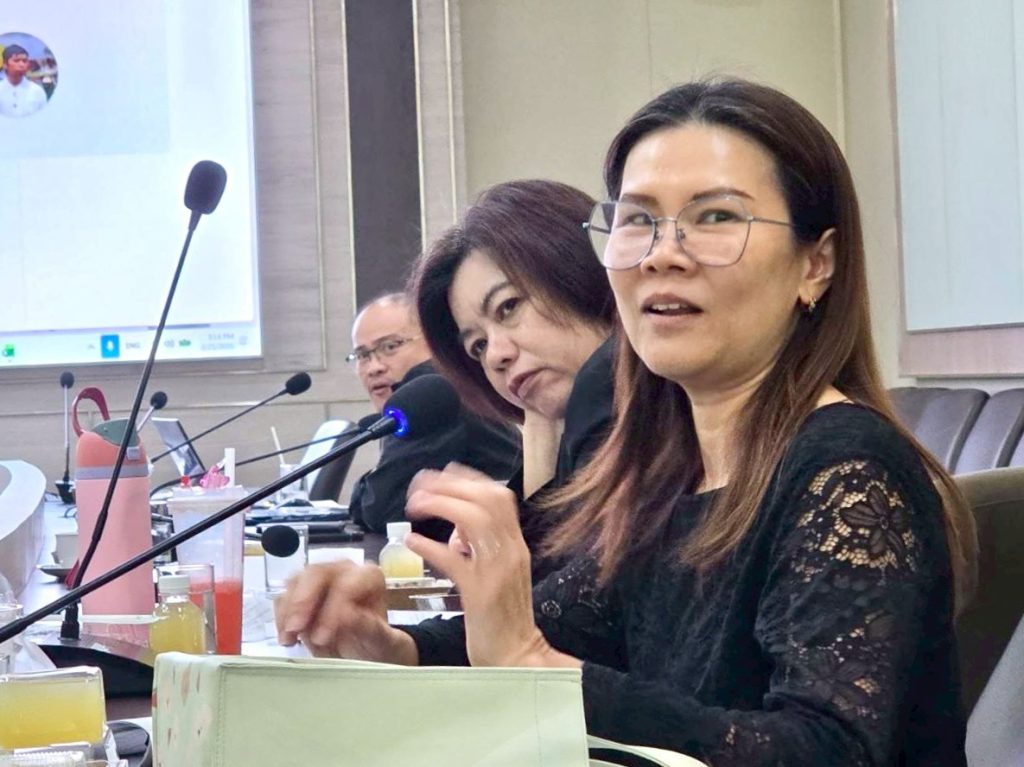
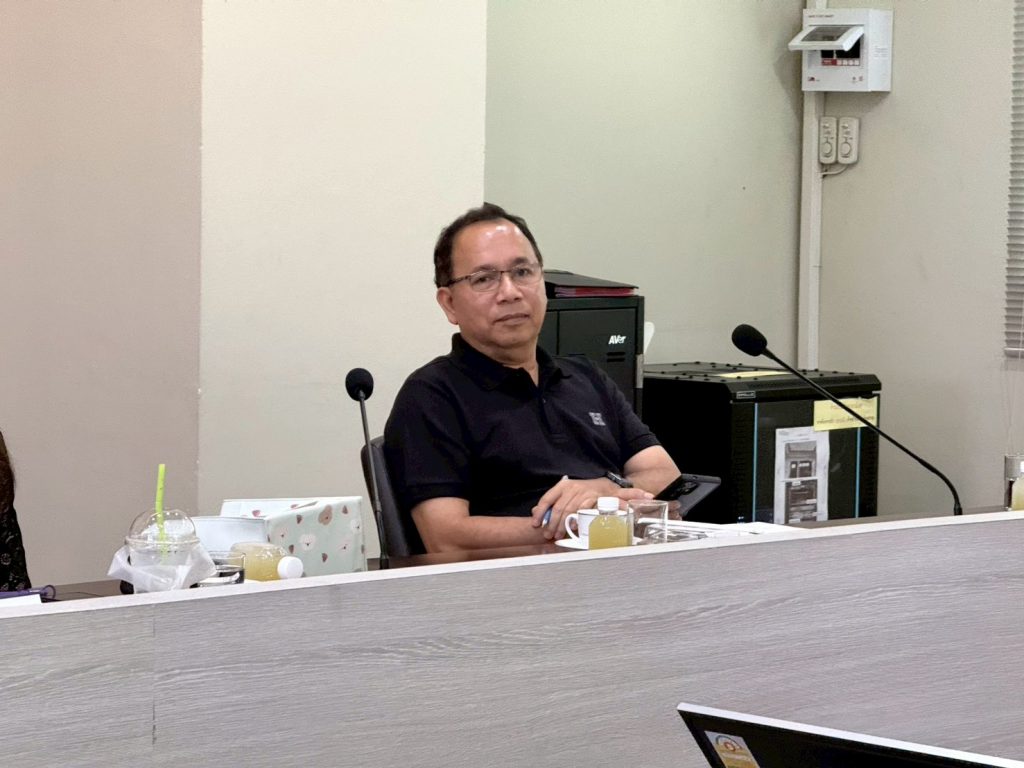
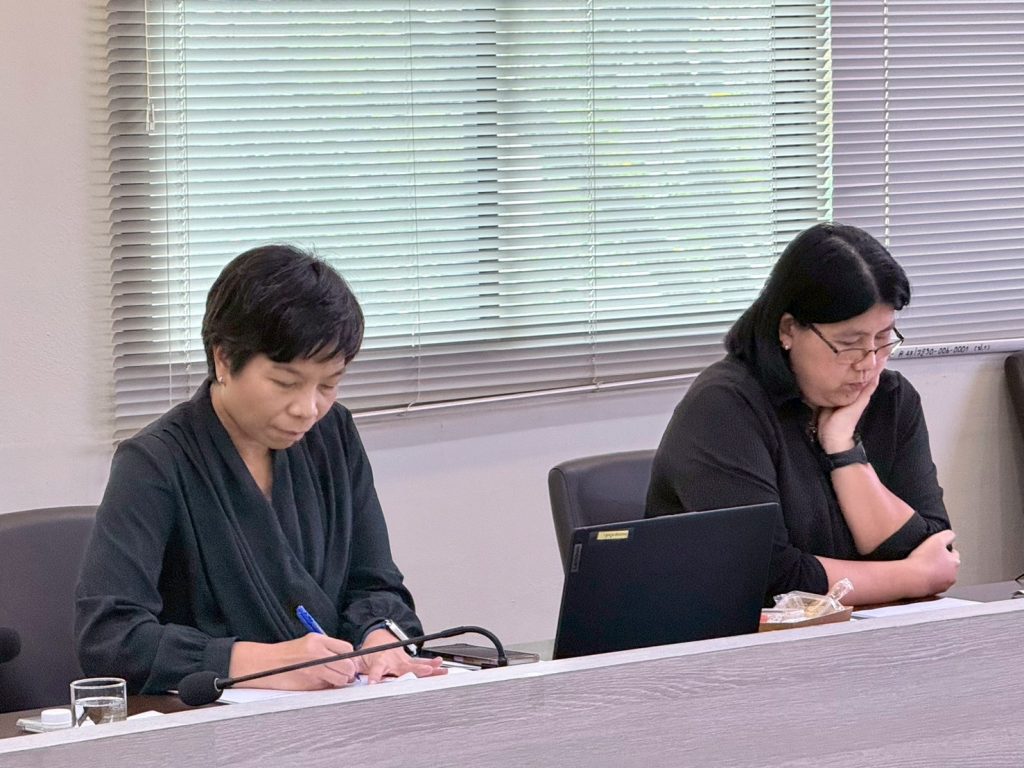
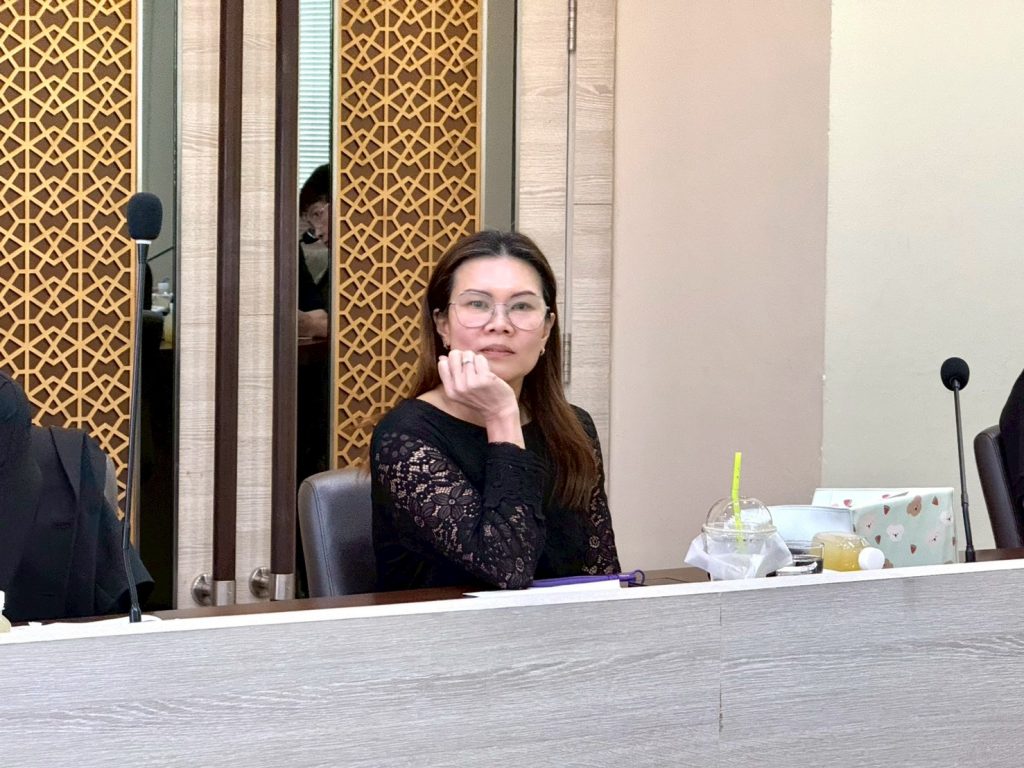
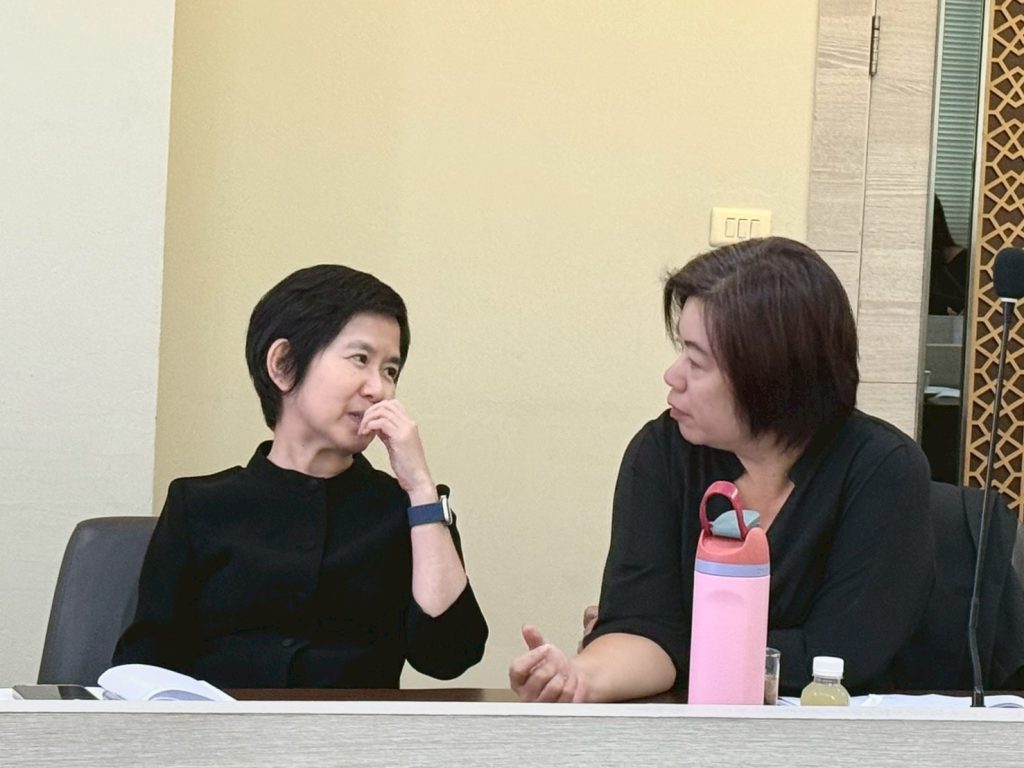
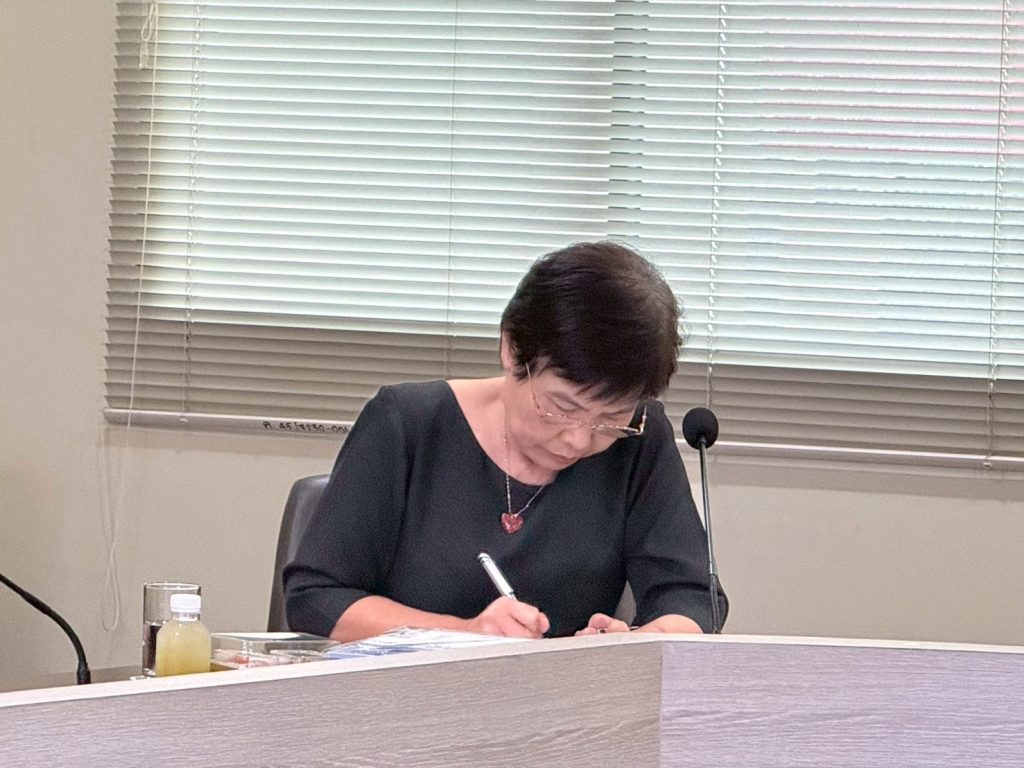
รองศาสตราจารย์ ดร.ปรีย์กมล รัชนกุล รองอธิการบดีฝ่ายพัฒนาคุณภาพและบริหารการเปลี่ยนแปลง ในฐานะประธานคณะกรรมการขับเคลื่อนนโยบายมหาวิทยาลัยสู่การพัฒนาอย่างยั่งยืน (University Transformation) ในส่วนสำนักงานบริการสนับสนุนการบริหารมหาวิทยาลัย ประชุมระดมความคิดเห็นผู้อำนวยการกอง/สำนักงานในสังกัดสำนักงานอธิการบดี จัดทำแผนงานเพื่อการพลิกโฉมสำนักงานฯ ขับเคลื่อนนโยบายมหาวิทยาลัยสู่การพัฒนาอย่างยั่งยืน (University Transformation) เมื่อวันที่ 25 กุมภาพันธ์ 2569 ณ ห้องประชุมสำนักงานอธิการบดี 1 อาคารสำนักงานอธิการบดี มหาวิทยาลัยธรรมศาสตร์ ศูนย์รังสิต
รองอธิการบดีฝ่ายพัฒนาคุณภาพและบริหารการเปลี่ยนแปลง กล่าวว่า สำนักงานบริการสนับสนุนการบริหารมหาวิทยาลัย เป็นส่วนงานศูนย์กลางด้านการบริหารจัดการ การให้บริการของมหาวิทยาลัยเชื่อมโยงทุกคณะ ส่วนงาน และบุคลากร กว่า 10,000 คน อีกทั้งยังมีภารกิจดูแลงานด้านยุทธศาสตร์ พันธกิจ แผนงาน วิชาการ วิจัย บุคลากร งบประมาณ กฎหมาย วิเทศสัมพันธ์ บริหารศูนย์การศึกษา และกิจการนักศึกษาของมหาวิทยาลัยในภาพรวม ดังนั้น อธิการบดีจึงได้แต่งตั้งคณะกรรมการขับเคลื่อนนโยบายมหาวิทยาลัยสู่การพัฒนาอย่างยั่งยืน (University Transformation) ในส่วนสำนักงานบริการสนับสนุนการบริหารมหาวิทยาลัย เพื่อเพื่อวางรากฐานและกำหนดแนวทางการดำเนินงานในการ “พลิกโฉมมหาวิทยาลัย” (University Transformation) ในส่วนของสายสนับสนุนวิชาการและสำนักงานอธิการบดี เพื่อให้สามารถสนับสนุนยุทธศาสตร์ของมหาวิทยาลัยได้อย่างมีประสิทธิภาพ ให้มีการบูรณาการการทำงานร่วมกัน และลดอุปสรรคในการให้บริการแก่ประชาคม
จากการประชุมระดมสมองพบว่า กองและสำนักงานในส่วนสำนักงานบริการสนับสนุนการบริหารมหาวิทยาลัย ได้มีการดำเนินการไปแล้วบางส่วน เช่น กองนิติการอยู่ในระหว่างการปรับโครงสร้างเพื่อให้สอดคล้องกับภารกิจของมหาวิทยาลัยในการเป็นมหาวิทยาลัยในกำกับของรัฐและเพื่อตอบสนองการดำเนินการตามยุทธศาสตร์ของมหาวิทยาลัย (Organization Transformation) กองบริหารการวิจัย นำระบบ Project Manager (PM) มาใช้เพื่อพัฒนาบุคลากรให้มีทักษะหลากหลาย (Multi-skill) และปรับการบริการเป็นเชิงรุก เปลี่ยนระบบการขอทุนวิจัยเป็น “Online Submission” ทั้งกระบวนการ รวมถึงปรับการจ่ายทุนเป็นแบบเหมาจ่ายเพื่อลดภาระนักวิจัย (Service Transformation) กองบริหารศูนย์ลำปาง มีระบบปฏิบัติงานที่ดี “Routine to Real-time”ใช้ระบบข้อมูลดิจิทัลในการบริหารจัดการ เช่น ค่าไฟฟ้า ค่าน้ำประปา ค่าน้ำมันเชื้อเพลิง และการแจ้งซ่อมอาคารแบบเรียลไทม์ เพื่อให้ผู้บริหารใช้ข้อมูล Dashboard เพื่อประกอบการตัดสินใจได้ทันทีโดยไม่ต้องรอรายงานสรุป เป็นต้น
รองศาสตราจารย์ ดร.ปรีย์กมล รัชนกุล กล่าวว่า ในระยะถัดไปสำนักงานยุทธศาสตร์และการคลังจะเป็นผู้ประสานงานกลางในการจัดประชุมกลุ่มย่อยเพื่อพิจารณารายละเอียดของแต่ละโครงการที่ผู้อำนวยการกอง สำนักงานเสนอและจัดลำดับความสำคัญ (Priority) ก่อนจัดทำแผนงาน โดยให้แต่ละกอง สำนักงานกำหนดตัววัดผลที่สะท้อนผลลัพธ์ที่แท้จริง เช่น ความพึงพอใจจาการรับบริการที่เพิ่มขึ้น หรือจำนวนข้อร้องเรียนที่ลดลง
Quality Development and Change Management Division Gathers Input from Division/Office Directors to Drive the University Transformation toward Sustainable Development
Associate Professor Dr. Preekamon Ratchakul, Vice President for Quality Development and Change Management, in her capacity as Chair of the Committee on Driving the University Transformation toward Sustainable Development, convened a brainstorming meeting with division and office directors under the Office of the President (Administration Support Services). The meeting aimed to develop action plans for transforming the Office in alignment with the University Transformation policy. The meeting was held on 25 February 2026 at Meeting Room 1, Office of the President Building, Thammasat University, Rangsit Campus.
The Vice President for Quality Development and Change Management stated that the Administration Support Services Office serves as the central administrative and service hub of the University, connecting all faculties, units, and more than 10,000 staff members. Its responsibilities encompass university-wide strategy, mission, planning, academic affairs, research, human resources, budgeting, legal affairs, international relations, management of education centers, and student affairs. Accordingly, the President appointed the Committee on Driving the University Transformation toward Sustainable Development for the Administration Support Services to lay the foundation and define operational directions for “University Transformation” within the academic support line and the Office of the President. The objective is to enhance effective support for the University’s strategy, foster integrated cross-unit collaboration, and reduce service delivery obstacles for the University community.
The brainstorming session revealed that several divisions and offices within the Administration Support Services have already initiated transformation efforts. For example, the Legal Affairs Division is in the process of restructuring to align with the University’s role as an autonomous public university and to support strategic implementation (Organization Transformation). The Research Administration Division has adopted a Project Manager (PM) system to develop multi-skilled personnel and shift toward proactive services, transitioned the entire research grant application process to online submission, and implemented a lump-sum disbursement model to reduce researchers’ administrative burden (Service Transformation). The Lampang Center Administration Division has implemented effective “Routine to Real-time” operations, utilizing digital data systems for management—such as electricity, water, fuel costs, and real-time building maintenance requests—enabling executives to use dashboards for immediate, data-driven decision-making without waiting for summary reports.
Associate Professor Dr. Preekamon Ratchakul further noted that, in the next phase, the Office of Strategy and Finance will serve as the central coordinator for small-group meetings to review the details of each project proposed by division and office directors and to prioritize initiatives prior to finalizing the action plan. Each division and office will be required to define performance indicators that reflect tangible outcomes, such as increased service user satisfaction or a reduction in the number of complaints.